It happens almost every morning. You’ve clocked exactly eight hours, your alarm goes off, and instead of feeling like a refreshed version of yourself, you feel heavy. Your eyes are scratchy, your brain feels like it’s wrapped in cotton wool, and the first thing you think about is when you can next lie down.
For those of us who frequent sites like PlayAIQuiz.com, this often leads to a search for answers. We take the assessments, we look at our “Sleep Quality Score,” and we wonder why the math isn’t adding up. If eight hours of shut-eye equals health, why are we still so drained? The truth is that the duration of sleep is only one piece of a much larger puzzle involving sleep disorders, hidden fatigue causes, and the often-overlooked nuances of sleep hygiene.
Understanding this disconnect is vital. It’s not just about being “tired”; it’s about how your nighttime recovery dictates your performance in Lifestyle & Finance or how you process emotions in the realm of Mental Health & Psychology. Let’s dig into why that eight-hour window might be failing you and how you can use self-assessment tools to actually get your energy back.
The Quiz-Taker’s Perspective on Rest
People who love online quizzes are usually looking for a “why.” We don’t just want to know we’re tired; we want to know the mechanics behind it. This mindset is actually a superpower when it comes to health because it moves us away from passive complaining and toward active problem-solving.
Why We Seek a “Score”
In a world of vague health advice, a score feels tangible. When you engage with a health assessment, you’re looking for an objective mirror. You might think your habits are fine, but when a quiz asks about your late-night screen time or caffeine intake at 4 PM, it forces a level of honesty that we often avoid in our daily internal dialogue.
Connecting the Dots
Taking a quiz on Health & Deficiency helps bridge the gap between “I feel bad” and “I might be lacking Vitamin D.” It’s about pattern recognition. For the habitual quiz-taker, every result is a data point that helps build a clearer picture of their biological needs.
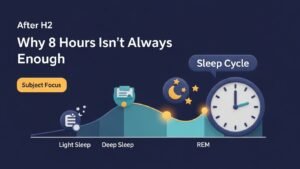
Why 8 Hours Isn’t Always Enough
It is a common misconception that sleep is a flat, linear process. In reality, it is a series of complex cycles. If those cycles are interrupted, even if you don’t fully wake up, the quality of your rest plummets.
Hidden Sleep Disorders
Sometimes, the issue isn’t your mattress or your schedule; it’s an underlying condition. Sleep disorders like sleep apnea or restless leg syndrome can trigger hundreds of “micro-awakenings” throughout the night.1 You won’t remember them, but they prevent you from reaching the deep, restorative stages of sleep that actually repair your body and clear your mind.
The Impact of Lifestyle-Based Fatigue Causes
External factors often masquerade as internal health issues. Common fatigue causes include low-level dehydration, high stress, or even poor air quality in your bedroom. Based on common experience, many people find that their “unexplained” tiredness is actually a physical reaction to a high-cortisol lifestyle that never truly “switches off” at night.
The Learning Value of Self-Assessments
One of the biggest benefits of using quizzes to track your sleep and health is the educational journey. You aren’t just getting a result; you’re learning what questions you should be asking yourself.
Building Confidence Through Knowledge
When you understand the terminology—like “circadian rhythm” or “sleep latency”—you feel more in control. Quizzes introduce these concepts in a way that feels like a game rather than a lecture. This increased literacy makes it much easier to have productive conversations with healthcare providers later on.
The “Ah-Ha” Moments
Most quiz attempters have a moment where a single question changes their entire perspective. For instance, realizing that your “healthy” evening glass of wine is actually the reason you wake up at 3 AM can be a game-changer. These micro-lessons are the building blocks of long-term wellness.
Refining Your Nightly Routine
If you want to see that “Sleep Quality Score” move in the right direction, you have to look at your sleep hygiene with a critical eye. It’s not about doing everything perfectly; it’s about reducing the friction between you and deep rest.
Optimizing the Environment
Your bedroom should be a “sleep sanctuary.” This means it needs to be cool, dark, and quiet. Many people notice a significant difference just by switching to blackout curtains or lowering the thermostat by two degrees.
The Pre-Sleep Wind-Down
The hour before bed is the most critical time for your nervous system. Transitioning from high-stress work to “sleep mode” requires a bridge. This might involve reading a physical book, light stretching, or even jotting down notes for tomorrow’s tasks to clear your mental load. For more structured learning on how to organize these thoughts, checking out Ainotes.pk can be a helpful resource for keeping your mental “to-do” lists in order.

Comparing Sleep Habits: What Actually Works?
| Common Mistake | Why it Fails | Better Approach |
| “Catching up” on weekends | Disrupts your internal clock | Keep a consistent wake-up time 7 days a week |
| Using a phone in bed | Blue light suppresses melatonin | Read a physical book or listen to a podcast |
| Heavy meals late at night | Digestion interferes with deep sleep | Finish your last meal 3 hours before bed |
| Relying on “sleeping pills” | Often masks symptoms without fixing quality | Focus on underlying sleep hygiene habits |
| Ignoring daytime naps | Can make it harder to sleep at night | Keep naps under 20 minutes before 3 PM |
Long-Term Benefits of Awareness
The goal of taking a quiz shouldn’t be to get a “perfect” score once. It’s about the long-term awareness that comes with regular check-ins.
-
Developing Intuition: Eventually, you won’t need a quiz to tell you why you’re tired; you’ll recognize the signs of a poor night’s rest immediately.
-
Proactive Health: By spotting trends in your fatigue, you can make adjustments before a small issue turns into a chronic problem.
-
Validated Progress: There is an immense psychological boost in seeing your scores improve as you implement better habits.
Summary of Self-Care
Ultimately, the journey from being “always tired” to truly rested is a personal one. While sleep disorders may require professional guidance, many of our daily fatigue causes are within our power to change. By leaning into the curiosity that drives us to take quizzes on PlayAIQuiz.com, we can turn a morning of grogginess into a lifetime of better health.
Take your time, be honest in your assessments, and remember that every small change to your sleep hygiene is an investment in your future self.
FAQs for Quiz Attempters
1. Can a quiz tell me if I have a serious sleep disorder?
While a quiz can highlight red flags and patterns that suggest a disorder, it is intended for educational purposes only. It’s a great way to gather information to share with a doctor.
2. How long does it take to see changes in my energy levels?
In general, most people begin to feel a difference within 7 to 10 days of consistent habit changes. Your body needs time to reset its internal clock.
3. Why do I feel more tired when I sleep for 10 hours instead of 8?
This is often due to a phenomenon called “sleep inertia.” Oversleeping can disrupt your circadian rhythm, leaving you feeling groggy and “hungover” despite the extra rest.2
4. Does screen time really impact sleep that much?
Yes, blue light from screens mimics sunlight, which tells your brain to stop producing melatonin. This can delay your ability to fall into deep sleep stages, even if you fall asleep quickly.
5. What is the most common cause of daytime fatigue?
Based on common experience, the most frequent culprits are poor hydration, inconsistent sleep schedules, and high caffeine intake late in the day.