It is one of the most frustrating experiences in modern life: you go to bed early, you clock your full eight hours, and yet you wake up feeling like you haven’t slept a wink. You’ve probably found yourself scrolling through sites like PlayAIQuiz.com, taking every “sleep quality” test you can find, hoping to understand why your energy levels are bottoming out by noon. You aren’t alone in this search.
When we engage with health assessments, we are often looking for a bridge between how we feel and what is actually happening inside our bodies. We want to move beyond the surface-level advice of “just sleep more” and get into the nitty-gritty of why our internal batteries aren’t charging. Whether it’s undiagnosed sleep disorders, hidden fatigue causes, or a simple breakdown in sleep hygiene, getting to the root of the problem requires a mix of self-awareness and education.
Understanding your rest is a journey that often starts with a single question. Why am I still tired? By exploring how we approach our health through quizzes and data, we can start to piece together a lifestyle that actually supports restoration rather than just marking time in the dark.
The Quiz-Taker’s Journey to Better Rest
There is a specific kind of satisfaction that comes from clicking through a well-designed assessment. For the proactive learner, a quiz isn’t just a way to kill time; it’s a structured way to audit your own life.
Moving From Curiosity to Clarity
Most people who attempt online quizzes are looking for a mirror. They suspect something is off—maybe a dip in their Mental Health & Psychology scores—and they use these tools to validate their feelings. When you’re dealing with chronic tiredness, a quiz helps you categorize your symptoms. It moves you from a vague sense of “I’m exhausted” to a specific realization like, “I’m experiencing daytime sleepiness despite a long sleep window.”
Identifying the Gaps in Our Routine
We often have blind spots when it comes to our own behavior. A quiz might ask you about your caffeine intake at 4:00 PM or the temperature of your bedroom—things you might not consider significant. By engaging with these questions, you’re essentially training your brain to notice the subtle fatigue causes that steal your energy before you even close your eyes.
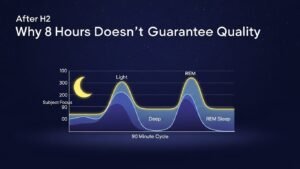
Why 8 Hours Doesn’t Guarantee Quality
We’ve been conditioned to believe that “8” is the magic number. However, sleep is much more about architecture than just duration. If the structure of your sleep is broken, the length of it matters very little.
The Role of Undetected Sleep Disorders
In many cases, the culprit behind persistent tiredness is a physical interruption. Certain sleep disorders, such as obstructive sleep apnea or restless leg syndrome, can cause hundreds of “micro-awakenings” throughout the night. You might not remember waking up, but these interruptions prevent your brain from spending enough time in deep, slow-wave sleep. This is the stage where the body physically repairs itself and the brain flushes out metabolic waste.
The Impact of Modern Environmental Stressors
Based on common experience, the environment plays a massive role in how deeply we drop into restorative states. Things like ambient light from electronics, noise pollution, or even a room that is slightly too warm can keep your nervous system on high alert. Even if you stay “unconscious” for eight hours, your body is effectively idling rather than fully powering down.
Common Pitfalls in Assessing Your Own Energy
When we try to figure out why we’re tired, we often fall into a few classic traps. Recognizing these patterns can help you get more value out of your self-testing and lifestyle adjustments.
Over-Simplifying the Problem
Many people jump straight to thinking they have a Health & Deficiency issue, like low iron or B12. While these are valid concerns, they often overlook the basics of sleep hygiene. It’s easier to take a pill than it is to change your phone habits, but the habits often yield the most profound results.
Misinterpreting “Social Jetlag”
A common mistake among quiz attempters is ignoring the consistency of their schedule. If you sleep 6 hours during the week and 11 hours on Saturday, your body is in a constant state of flux. This “social jetlag” makes it impossible for your internal clock to settle, leading to that heavy, “foggy” feeling regardless of how much you slept the night before.
Benefits of Using Quizzes for Health Awareness
Educational quizzes are more than just a score; they are a psychological tool that builds long-term confidence.
-
Active Learning: Unlike reading a long medical article, a quiz requires you to reflect on your own specific situation. This active engagement makes the information stick.
-
Quantifiable Progress: When you take an assessment once a month, you can see your “Sleep Quality Score” improve as you tweak your environment.
-
Knowledge Empowerment: Understanding the terminology—like circadian rhythm or sleep latency—allows you to take better notes on your health. For those who like to keep detailed records of their learning, resources like Ainotes.pk can be great for organizing these personal health insights.
Building a Stronger Mind-Body Connection
Regular self-testing encourages you to check in with yourself. Instead of just pushing through the day, you start to ask: “Why do I feel this way right now?” This mindfulness is a core component of both Lifestyle & Finance success and general emotional well-being.
Mastering Your Sleep Hygiene: Habits vs. Outcomes
Improving your rest isn’t about one big change; it’s about a series of small, intentional shifts. Here is a breakdown of how common habits impact the quality of your rest.
| Habit / Mistake | Potential Impact on Sleep | Recommended Solution |
| Checking emails in bed | Increases cortisol; blue light blocks melatonin | Move devices out of the bedroom entirely |
| Having a “nightcap” (alcohol) | Fragments sleep; blocks REM cycles | Avoid alcohol at least 3-4 hours before bed |
| Variable wake-up times | Confuses the circadian rhythm | Set a consistent alarm, even on weekends |
| Intense exercise late at night | Raises core temperature and heart rate | Finish vigorous workouts 3+ hours before bed |
| Using “snooze” repeatedly | Causes “sleep fragmentation” and grogginess | Get up immediately upon the first alarm |
Connecting Sleep to Global Health Trends
When we look at our own rest, we are participating in a larger cultural shift toward health optimization. People are no longer satisfied with “just getting by.” We want to thrive.
The Psychology of Habit Formation
Many people find that the biggest hurdle isn’t knowing what to do, but actually doing it. This is where the gamification of quizzes helps. When you see your results in black and white, it provides the “nudge” needed to finally try that “no screens after 9 PM” rule.
Why Knowledge is the Best Remedy
In general, most sleep-related issues can be significantly improved with better information. Whether it’s learning about the 90-minute sleep cycle or understanding how temperature affects the brain, education is the foundation of energy. By being a “student of your own sleep,” you take the power back from chronic exhaustion.
Taking the Next Step in Your Self-Assessment
The beauty of being a quiz attempter is that you are already halfway to the solution. You have the curiosity and the drive to improve. The next time you feel that mid-afternoon slump, don’t just reach for another coffee. Instead, think about the data you’ve gathered.
Is it a hydration issue? Is it a lack of morning sunlight? Or is it a sign that your sleep hygiene needs a refresh? Use every assessment you take as a stepping stone toward a more vibrant life. There is a world of difference between “not being awake” and truly being rested.
You deserve to wake up feeling like the best version of yourself. Keep exploring, keep testing, and keep refining your routine. The answers are out there, and often, they’re just a few thoughtful questions away.
FAQs for Quiz Attempters
1. Can a 5-minute quiz really tell me if I have a sleep disorder?
While a quiz cannot provide a medical diagnosis, it is an excellent screening tool. It can identify symptoms that correlate with known sleep disorders, which you can then discuss with a professional.
2. What is the most common of all fatigue causes?
Based on common experience, the leading cause is often “sleep debt” combined with poor consistency. However, nutritional gaps or high stress are also very frequent contributors.
3. Why do I feel more tired on days I sleep extra?
This is often due to sleep inertia or a disruption of your circadian rhythm. Oversleeping can be just as disorienting to the brain as under-sleeping.
4. Does “Sleep Hygiene” actually make a difference?
Absolutely. Simple changes like dimming lights an hour before bed and keeping your room cool can significantly increase the amount of time you spend in deep, restorative sleep stages.
5. How often should I take a sleep or health assessment?
Taking a check-in once every few months is a great way to monitor how lifestyle changes or seasonal shifts are affecting your energy levels and overall well-being.