The Unexpected Twitch: Why Your Body is Signaling for Help
Have you ever been right in the middle of a focused task—maybe you’re halfway through a challenging trivia round or deep into a strategy game—and suddenly, your calf muscle decides to knot up? It’s a sharp, frustrating distraction that pulls you right out of the zone. If you’ve been searching for a Magnesium deficiency, Muscle health, Mineral symptoms check, you aren’t alone. Many people notice that these physical “glitches” often happen when they are most active or, conversely, right when they try to settle down for the night.
Understanding our bodies shouldn’t feel like a chore. For those of us who love a good quiz, we tend to look at health the same way we look at a puzzle: we want to find the missing piece. Often, that missing piece is a specific mineral that regulates how our nerves and muscles talk to each other. When that communication breaks down, we get the cramps, the twitches, and the restless legs that disrupt our daily flow.
The Connection Between Magnesium Deficiency and Muscle Health
When we talk about Magnesium deficiency, Muscle health, Mineral symptoms, we are really talking about the body’s electrical system. Magnesium acts like a gatekeeper for your cells. It helps regulate calcium, ensuring that your muscles can relax after they contract. Without enough of it, the “relax” signal never quite gets through, leading to those painful spasms we all dread.
Why Mineral Symptoms Often Go Unnoticed
In general, we tend to ignore small signs until they become big problems. A slight eye twitch or a flutter in your thumb might seem like a quirk of caffeine, but it is often one of the earliest mineral symptoms. Because these signs are subtle, they are easy to dismiss as “just one of those things.”
The Role of Diet and Modern Lifestyle
Based on common experience, our modern diets don’t always provide the mineral density our ancestors enjoyed. Processed foods and even depleted soil quality mean that even if you’re eating your greens, you might not be hitting the mark. This is why staying curious and checking your symptoms through educational tools is so vital for long-term well-being.
Why Quiz-Based Learning is a Game Changer for Health Awareness
There is something uniquely satisfying about the “click” of a quiz. It turns a dense, boring subject like biochemistry into a journey of self-discovery. When you visit sites like PlayAIQuiz.com, you aren’t just killing time; you’re engaging in a form of active recall that helps information stick.
Moving Beyond Passive Reading
Reading a medical textbook is a great way to fall asleep, but taking a quiz keeps your brain lit up. When you have to choose an answer, your brain creates a stronger neural pathway for that information. If you’ve been curious about the health-deficiency category, you’ve likely found that answering questions about your habits makes you much more aware of them in real life.
Building Confidence Through Knowledge
A huge part of health is simply feeling empowered. When you understand the “why” behind a muscle cramp, you stop worrying that something is “broken” and start thinking about how to fix it. This shift from anxiety to action is a hallmark of the quiz-taking mindset.
Common Habits of Successful Quiz Attempters

People who use quizzes to learn about their lifestyle often develop a specific set of habits. They don’t just rush through to see the score; they treat the process as a diagnostic tool for their own curiosity.
The Analytical Approach to Self-Checks
Experienced learners often look at the “wrong” answers as much as the right ones. If a quiz mentions a symptom you don’t have, it helps rule things out, which is just as important as ruling things in. This is especially true when navigating the lifestyle-finance or health sections of a site.
Avoiding the “Self-Diagnosis” Trap
A common mistake quiz attempters make is taking a single result as a definitive medical diagnosis. A quiz is a starting point—a nudge to look closer. It’s about patterns. If you consistently score high on indicators for mineral imbalances, that’s your cue to talk to a professional or look into resources like Ainotes.pk for deeper educational notes.
How Digital Tools Support Long-Term Wellness Patterns
We live in an age where information is everywhere, but wisdom is rare. Using interactive tools helps filter the noise. Instead of Googling “why do my legs hurt” and ending up in a dark corner of the internet, structured quizzes provide a path.
Connecting the Dots Between Mind and Body
Often, physical symptoms are tied to our mental state. Stress can deplete magnesium, and low magnesium can increase stress. Exploring the mental-health-psychology category alongside physical health quizzes can reveal how these two worlds overlap.
The Value of Immediate Feedback
The “Aha!” moment you get when a quiz result matches your lived experience is incredibly validating. It turns a vague feeling of “I don’t feel great” into a specific topic you can research, like the relationship between hydration and mineral retention.
Organizing Your Approach: Quiz Habits vs. Real-World Outcomes
| Quiz Habit | Impact on Learning | Real-World Application |
| Rushing to the end | Low retention of facts | Missing subtle body signals |
| Reading explanations | High understanding of “Why” | Better conversations with doctors |
| Repeating quizzes | Solidifies knowledge | Habits become second nature |
| Cross-referencing | Builds a broader perspective | Holistic lifestyle changes |
Improving Your Daily Awareness: A Practical Checklist
If you want to move from being a “quiz taker” to a “knowledge master,” consider these steps during your next session:
-
Slow Down: Read the nuance in the questions. Are your cramps “frequent” or “occasional”?
-
Track Patterns: Keep a mental note of when your symptoms flare up. Is it after a heavy workout or a stressful day at work?
-
Stay Objective: Don’t answer the way you want to be; answer the way you actually are.
-
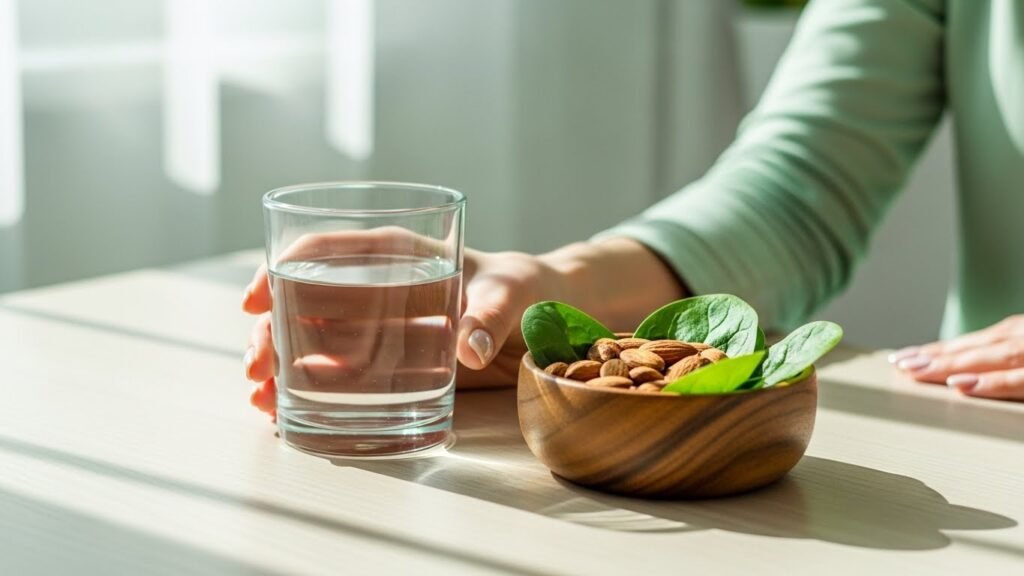
Follow Up: If a quiz highlights Magnesium deficiency, Muscle health, Mineral symptoms, take a moment to look at your dinner plate. Are there pumpkin seeds, spinach, or almonds present?
Final Thoughts on the Journey to Better Health
At the end of the day, your body is the most complex machine you will ever own. It doesn’t come with a manual, but it does come with a very sophisticated alert system. Those muscle cramps aren’t just annoyances; they are messages.
By engaging with educational content and interactive quizzes, you are becoming a better listener. Whether you are exploring new topics on PlayAIQuiz.com or reading up on specialized subjects, you are taking a proactive step. Keep questioning, keep learning, and remember that every bit of knowledge you gain is a tool for a more balanced life.
Frequently Asked Questions
1. Can a quiz tell me exactly which mineral I am missing?
In general, quizzes are designed for educational awareness and to identify common patterns. They are excellent for highlighting potential areas of concern, like mineral symptoms, but they are not a substitute for clinical testing.
2. Why do I get muscle cramps specifically at night?
Many people notice that cramps occur at rest. This can be related to how the body processes magnesium and calcium during the sleep cycle, or it could be a sign of simple dehydration.
3. Are all muscle twitches a sign of a deficiency?
Not necessarily. While mineral imbalances are a common cause, things like fatigue, excessive caffeine, or even stress can trigger minor muscle twitches.
4. How can I improve my quiz scores on health topics?
The best way is to read educational articles and cross-reference your findings with reputable sources. The more you learn about how the body functions, the more intuitive the answers become.
5. Is magnesium the only mineral that affects muscle health?
While magnesium is a major player, other electrolytes like potassium, sodium, and calcium also play significant roles in how your muscles function and recover.