
Introduction
We’ve all been there—you wake up on a rainy Tuesday and notice a strange stiffness in your hands, or perhaps a dull ache in your knees after a simple walk. Usually, we brush it off as “just getting older” or a tough gym session. But eventually, curiosity gets the better of us. You might find yourself on PlayAIQuiz.com looking for a health check-in, wondering if those minor twinges are actually early arthritis symptoms.
Taking a health assessment isn’t just about looking for a diagnosis; it’s about starting a dialogue with your own body. For those of us who enjoy the structured feedback of a quiz, these tools serve as an excellent first step in understanding the complex world of bone health and finding effective joint pain relief.
Whether you are exploring the Health & Deficiency category to see if your diet is supporting your frame, or checking in on how physical discomfort affects your Mental Health & Psychology, being proactive is key. In general, the more we know about the signals our joints are sending, the better we can navigate the road ahead. This guide is built for the curious, the proactive, and anyone who wants to turn a “score” into a healthier lifestyle.
The Quiz-Taker’s Mindset: Why We Audit Our Mobility
There is a specific kind of person who enjoys an online health assessment. You likely value data and want to feel in control of your physical well-being. For the proactive quiz attempter, a “test” is really just a way to organize your observations into something meaningful.
Seeking Clarity in the Noise
Our bodies send thousands of signals every day. Most we ignore. A quiz helps filter that noise. It asks the questions you haven’t thought of—like whether your stiffness lasts longer than thirty minutes in the morning or if your joints make a specific sound. This structured approach helps you see patterns that might have been invisible before.
Reducing the “Google Anxiety”
We’ve all made the mistake of searching a symptom only to end up convinced of the worst-case scenario. Educational quizzes provide a more balanced, middle-ground approach. They focus on awareness and education rather than fear-mongering. By understanding the basics of bone health, you can approach your doctor with calm, organized information instead of panic.
Common Mistakes When Assessing Joint Health
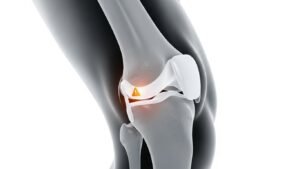
Based on common experience, many people misinterpret their physical symptoms during a self-check. Accuracy depends on being honest about your daily reality.
Ignoring the “Low-Grade” Signals
Many people notice that they only pay attention when the pain is a 7 out of 10. A common mistake in assessments is downplaying “minor” stiffness. In the world of arthritis symptoms, the subtle signs—like a slight loss of flexibility or a joint feeling “warm” to the touch—are often more telling than the occasional sharp pain.
Confusing Muscle Soreness with Joint Issues
After a long day of work or a weekend of gardening, everything hurts. It’s easy to mark “Yes” to every pain question on a quiz. However, it’s important to distinguish between the dull ache of a tired muscle and the deep, structural discomfort of a joint. Learning this distinction is a vital part of your professional development in self-care.
Benefits of Quizzes for Long-Term Awareness
Think of a health quiz as a “body audit.” It’s a low-pressure way to stay educated on topics that usually feel too clinical or overwhelming.
Building a Vocabulary for the Doctor
When you take a quiz on PlayAIQuiz.com, you learn terms like “crepitus” or “systemic inflammation.” This isn’t just trivia; it’s a toolkit. Having a professional vocabulary allows you to describe your experience more accurately to a therapist or physician, leading to better outcomes.
Identifying Lifestyle Leaks
Sometimes, the issue isn’t your joints; it’s your desk setup or your shoes. A comprehensive assessment might ask about your Lifestyle & Finance habits—like how much you spend on quality footwear or if you take regular movement breaks. These questions help you see that joint pain relief often starts with small, daily adjustments.
How Assessments Improve Knowledge and Confidence

Every time you engage with a health check-in, you’re training your “interoception”—your ability to perceive what’s happening inside your body.
-
Validating Your Experience: Seeing your symptoms listed on a screen can be incredibly validating. It tells you that you aren’t “crazy” or “exaggerating” your discomfort.
-
Encouraging Early Intervention: In general, the earlier you address arthritis symptoms, the better the long-term prognosis. A quiz can be the “nudge” you need to start a low-impact exercise routine like swimming or yoga.
-
Organizing Your Observations: Many people find it helpful to keep a wellness journal. If you like to track your stats, using a resource like Ainotes.pk to organize your quiz results and notes on what makes your joints feel better or worse is a great way to see progress over months or years.
Strategy Guide: Habits vs. Better Approaches
To help you get the most out of your next assessment, let’s look at how we typically handle joint issues versus how a proactive person might approach them.
| Common Mistake | Potential Outcome | The “Proactive” Approach |
| Resting completely when in pain | Causes stiffness and muscle weakness | Gentle, low-impact movement (walking/swimming) |
| Relying only on over-the-counter pills | Masks symptoms without fixing the cause | Focusing on anti-inflammatory diet and bone health |
| Powering through sharp pain | Risk of further structural damage | Listening to “stop” signals and adjusting activity |
| Ignoring the impact of weight | Increases mechanical stress on knees/hips | Managing weight to reduce load on the frame |
| Assuming all arthritis is the same | Prevents targeted joint pain relief | Learning the difference between “wear and tear” vs. autoimmune |
The Long-Term Value of Body Literacy
In general, the more you understand about how your frame works, the less scary it becomes. Bone health isn’t a static thing; it’s a living system that responds to how you treat it.
Staying Adaptable as You Age
The way you moved in your twenties shouldn’t be the way you move in your fifties. By regularly checking in with assessments, you can adapt your fitness and nutrition to your current needs. This adaptability is the secret to staying mobile and independent for as long as possible.
Reducing the Stress of the Unknown
Knowledge is the ultimate anti-anxiety tool. When you understand that certain arthritis symptoms are manageable through lifestyle changes, the fear of the future diminishes. You stop worrying about “what if” and start focusing on “what now.”
Conclusion: Take the Next Step
Your body is a remarkable machine, but it doesn’t come with an owner’s manual. You have to write that manual yourself through observation, education, and curiosity. Whether your results on PlayAIQuiz.com suggest you’re in peak condition or that you might need to focus more on joint pain relief, use that information as a springboard.
Don’t be afraid of what a health check-in might reveal. Information is power. Every quiz you take is an investment in your future self—a self that stands taller, moves easier, and understands the deep connection between bone health and overall happiness. Keep exploring, keep questioning, and keep moving.
FAQs for Health Quiz Attempters
1. Can a quiz really tell if I have arthritis?
No, a quiz is an educational screening tool. It identifies patterns that correlate with arthritis symptoms, but a formal diagnosis requires a physical exam and often imaging (like X-rays) from a medical professional.
2. What is the most common cause of joint pain?
In general, osteoarthritis (wear and tear) is the most common, but other factors like injuries, bone health deficiencies, or repetitive strain from work also play a huge role.
3. Does cracking my knuckles cause arthritis?
Based on common experience and research, cracking your knuckles does not directly cause arthritis. However, if the cracking is accompanied by pain or swelling, it’s worth investigating the underlying bone health.
4. Can diet really help with joint pain relief?
Many people notice that an anti-inflammatory diet (rich in Omega-3s, turmeric, and leafy greens) can significantly reduce the severity of symptoms by lowering systemic inflammation.
5. How often should I take a joint health assessment?
A good rule of thumb is to do a “body audit” every six months, or whenever you notice a significant change in your morning stiffness or activity levels.