
When the Room Gets Too Loud: Understanding Your Social Capacity
Have you ever been at a party, surrounded by good music and great friends, and suddenly felt like you just wanted to vanish? It’s not that you’re being rude or that you’ve stopped liking the people around you. It’s just that your “battery” hit zero. This phenomenon is something many people notice when they hit a wall of Emotional exhaustion, Introvert vs Extrovert dynamics, and a desperate need for a Mental recharge. We live in a world that is “always on,” and sometimes, our internal wiring just needs a break from the noise.
For those who find themselves browsing through personality tests and self-assessments, this feeling is a common starting point. You aren’t just looking for a score; you’re looking for a reason why you feel drained while others seem to thrive. Taking a moment to gauge your social energy isn’t about labeling yourself as “anti-social.” It’s about learning the manual to your own brain so you can show up better for the people who actually matter to you.
The Quiz-Taking Mindset: Why We Seek Self-Discovery
There is a unique kind of relief that comes from seeing your feelings put into words on a screen. When life feels overwhelming, a structured assessment helps slice through the fog. It turns a vague sense of “I’m overwhelmed” into a concrete understanding of your current social state.
Moving Beyond Labels
Many people notice that they don’t fit perfectly into one box. You might be an “outgoing introvert” or a “shy extrovert.” By engaging with interactive tools on sites like PlayAIQuiz.com, you begin to see that these traits are fluid. A quiz isn’t a life sentence; it’s a snapshot of where you are today.
The Power of Validation
Based on common experience, the primary reason people take these tests is validation. In a society that often rewards the “loudest” people, realizing that you need solitude to function is a powerful moment of self-acceptance. It gives you “permission” to say no to that next Friday night outing without feeling guilty.
Common Mistakes Quiz Attempters Make When Assessing Social Energy

Even the best tools can give skewed results if we don’t approach them with the right perspective. Over the years, I’ve seen how users can accidentally mislead themselves during these self-checks.
Answering for the “Ideal” Version of Yourself
One of the biggest hurdles is answering based on who you want to be. If you think being an extrovert is “better,” you might subconsciously pick the more social answers. However, if you want to tackle Emotional exhaustion, Introvert vs Extrovert confusion and find a true Mental recharge, you have to be brutally honest about your current cravings for silence.
Testing During an Emotional Peak or Valley
If you take a social battery test right after a week-long vacation, you’ll likely score as a social butterfly. If you take it after a grueling 60-hour work week, you’ll score as a hermit. Strategic quiz-takers look for the “average” of their feelings over a few weeks rather than a single high-stress moment.
The Benefits of Quizzes for Learning and Self-Awareness
Quizzes are much more than just digital toys; they are entry points into the world of mental-health-psychology. They take complex psychological concepts and make them bite-sized and relatable.
Building Emotional Intelligence
By answering questions about your reactions to social cues, you are essentially training your brain to be more observant. You start to notice the physical signs of drainage—like a tight jaw or a loss of humor—long before you hit a total burnout.
Gaining Confidence Through Knowledge
When you understand the science of social energy, you stop feeling “weird” for wanting to go home early. This confidence allows you to set better boundaries in your lifestyle-finance decisions and personal relationships. You aren’t being difficult; you’re just managing your resources.
How Digital Tools Support Long-Term Mental Wellness
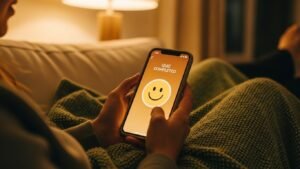
We often forget that our mental state is just as measurable as our physical health. Just as you might check a health-deficiency list for physical symptoms, digital assessments provide a check-up for your spirit.
Finding the Right Way to Recharge
Not everyone recharges the same way. An extrovert might find energy in a crowded gym, while an introvert finds it in a quiet garden. Quizzes help highlight which “battery charger” works best for you. For those who want to dive deeper into the theory behind these behaviors, resources like Ainotes.pk offer excellent structured notes on human behavior and psychology.
The Value of Frequent Check-ins
Social energy isn’t static. It changes with the seasons of our lives. Frequent, thoughtful quiz attempts allow you to track your growth and your stress levels over months or even years. It becomes a personal diary of your evolution.
Quiz Habits: Mistakes vs. Better Approaches
| Quiz Habit | Common Outcome | The Better Approach |
| Answering Rushed | Random or inaccurate results | Take the test in a quiet, distraction-free space. |
| Judging the Results | Increased anxiety or shame | View results as a neutral “weather report” for your mind. |
| Skipping the Explanations | Missed learning opportunities | Read the “Why” behind the results to gain insight. |
| Taking it Once | Limited perspective | Re-test monthly to see how your energy shifts. |
Bullet Points for a Better Mental Recharge
If you feel like your social battery is consistently in the red, consider these simple, low-pressure adjustments:
-
Schedule “White Space”: Block out an hour on your calendar that is strictly for nothing—no screens, no people, no chores.
-
Identify “Energy Vampires”: Notice which people or tasks leave you feeling heavy and limit your exposure to them during high-stress weeks.
-
Physical Grounding: Sometimes a social drain is actually physical. A quick walk or a change in environment can provide a “micro-recharge.”
-
Active Reflection: After a social event, ask yourself, “On a scale of 1-10, how do I feel?” This builds the habit of checking your “battery” level in real-time.
A Path Toward Balanced Living
Finding the middle ground between being a social butterfly and a total recluse is a lifelong journey. Using interactive assessments to explore Emotional exhaustion, Introvert vs Extrovert patterns is a sign of great self-respect. It shows that you value your time and your peace of mind.
As you continue to browse through the tests on PlayAIQuiz.com, remember that the goal isn’t to get a “perfect” score. The goal is to walk away with a little more clarity than you had ten minutes ago. Stay curious, keep learning, and don’t be afraid to take that break when your body asks for it.
FAQs
1. Can a quiz tell me if I am definitely an introvert or an extrovert?
In general, quizzes are meant for self-reflection and educational purposes. They help you identify where you fall on the spectrum of Introvert vs Extrovert, but most people are actually “ambiverts”—somewhere in the middle.
2. Why do I feel so tired after a social event even if I had fun?
Many people notice this. It is often a sign of “social hangovers” or a dip in social energy. Even if you enjoyed yourself, the act of processing social cues and being “on” takes significant mental resources.
3. Is emotional exhaustion the same as being tired?
Based on common experience, being tired is physical, but emotional exhaustion is a feeling of being drained in your spirit or mind. Sleep might fix tiredness, but only a true Mental recharge or a break from social pressure usually fixes emotional drain.
4. How often should I check my social battery?
It is helpful to do a self-assessment whenever you start feeling unusually irritable or overwhelmed. Weekly or monthly check-ins can help you spot trends before they turn into burnout.
5. Are social battery tests scientifically accurate?
Online assessments are built on common psychological principles but are not diagnostic tools. They should be used as a helpful guide to better understand your own preferences and needs.