Facing the Unexpected: Why Readiness Starts Today
We’ve all seen the news footage of sudden storms or wildfires and thought to ourselves, “What would I actually do if that happened here?” It’s a heavy thought. Most of us push it to the back of our minds because thinking about disasters feels overwhelming. However, neglecting Emergency planning, Home insurance, Safety kit essentials doesn’t make the risk go away; it just makes the eventual response more stressful. Many people notice that the difference between panic and calm often comes down to a few simple decisions made weeks or months in advance.
For those who use quiz platforms to test their knowledge, emergency readiness is a top-tier topic. It isn’t just about trivia; it’s about survival and home security. Taking a few minutes to check your readiness level on a site like PlayAIQuiz.com serves as a digital “fire drill.” It highlights the gaps in your strategy—like realizing you haven’t checked your flashlights in a year—without the actual pressure of a real-world crisis.
The Quiz-Taking Mindset: Preparation Over Panic
When it comes to disaster readiness, how you approach a quiz is just as important as the score you get. It’s about building a mental muscle that knows how to react when things go sideways.
Moving Past the “It Won’t Happen to Me” Filter
Based on common experience, the biggest hurdle to readiness is the optimism bias. We assume disasters only happen to other people. Strategic quiz attempters use these tests to break through that bias. By engaging with realistic scenarios, you start to see your home and neighborhood through a more practical lens. It’s not about living in fear; it’s about living in a state of prepared awareness.
Using Data to Drive Action
A quiz isn’t just a result; it’s a roadmap. If an assessment shows you are weak on the financial side of readiness, you know it’s time to call your agent. If it shows you lack supplies, you know what needs to go on your grocery list. This proactive approach turns a “game” into a genuine life-improvement tool.
Common Mistakes Quiz Attempters Make in Safety Assessments

I’ve observed many patterns in how users interact with safety content, and certain habits can give a false sense of security.
Overestimating “Common Sense”
Many people notice that they answer questions based on what they think they would do, rather than what experts recommend. For example, knowing the right way to store water or the best place to go during a tornado isn’t always intuitive. Rushing through a quiz without reading the educational explanations means you might be carrying incorrect “common sense” into a real emergency.
Neglecting the Administrative Side
It’s easy to focus on the “survival” part—like food and water—while ignoring things like Home insurance paperwork or digital document backup. In general, the most successful quiz-takers are those who realize that financial recovery is just as important as physical safety. If your records are lost in a flood, your recovery path becomes much harder.
The Benefits of Quizzes for Learning and Awareness
Why do interactive tests work so much better than reading a static brochure? It’s all about how our brains encode information under light engagement.
Building Confidence Through Knowledge
Nothing breeds panic like a lack of information. When you know the steps of Emergency planning, you feel more in control of your environment. This sense of agency is a vital component of mental-health-psychology, helping to reduce the background anxiety many of us feel about the climate or local risks.
Long-Term Retention and Recall
Every time you answer a question about your Safety kit, you are reinforcing that information. In a real emergency, your “logical” brain often shuts down, and you rely on habits. Quizzes help build those habits. For those who want to dive deeper into the science of mnemonics and high-level retention, resources like Ainotes.pk offer structured notes that can help you memorize complex protocols.
How Digital Challenges Support Household Safety

Digital tools have changed the way we prepare for the physical world. They allow us to simulate scenarios and test our logic safely.
Tracking Progress Over Time
Readiness isn’t a one-and-done task. Batteries expire, insurance policies change, and families grow. Taking a readiness quiz every six months allows you to track your progress and stay current. It’s a lifestyle choice, much like managing your lifestyle-finance or checking for a health-deficiency.
Identifying Blind Spots
A well-designed quiz will ask you about things you never considered, like how to care for pets during an evacuation or how to shut off your home’s gas main. These “aha!” moments are the most valuable part of the experience. They turn a digital activity into a physical improvement in your home’s safety profile.
Readiness Habits: Mistakes vs. Better Approaches
| Habit | Common Outcome | The Better Approach |
| Buying a pre-made kit only | Items might be expired or useless for your specific needs. | Customize your kit; check and rotate stock every 6 months. |
| Assuming “Full Coverage” | Discovering policy limits only after a disaster occurs. | Review Home insurance yearly to ensure it covers local risks like floods. |
| Keeping a plan in your head | Communication breakdown during high-stress moments. | Write it down and hold a “family meeting” to practice. |
| Skimming quiz results | Missing the small details that matter in a crisis. | Read the full feedback for every missed question. |
Essential Components of a Modern Readiness Strategy
If you’re looking to upgrade your household’s safety, keep these practical points in mind:
-
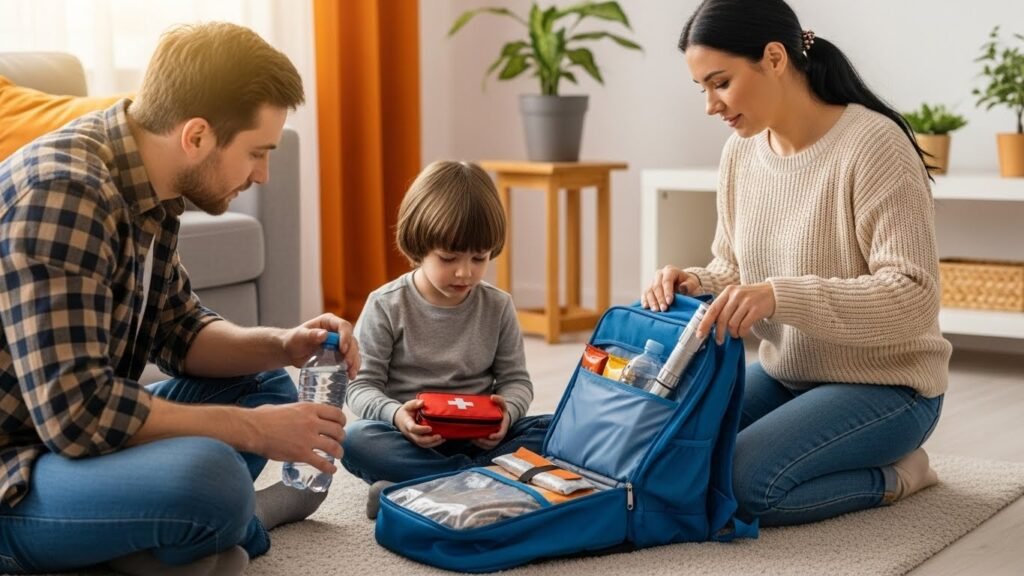
The Go-Bag Basics: Every family member needs a small bag with three days of essentials—don’t forget copies of IDs and a bit of cash.
-
Tech Preparation: Keep a backup power bank charged and have an “ICE” (In Case of Emergency) contact set up on everyone’s phone.
-
Financial Resilience: Ensure your Emergency planning includes a small “rainy day” fund that is easily accessible if ATMs are down.
-
Practice the Route: Many people notice that roads look different under stress. Drive your evacuation route at least once a year.
Building a Culture of Resilience
Readiness isn’t about being a “prepper” or living in an underground bunker. It’s about being a responsible member of your family and community. When you take the time to engage with quizzes on PlayAIQuiz.com, you are essentially promising your future self that you’ll be ready when it counts.
Every question you answer and every gap you identify makes your household a little bit stronger. Stay curious, keep testing your knowledge, and remember that the best time to prepare for an emergency was yesterday—the second best time is right now.
FAQs
1. Is a basic first aid kit enough for a Safety kit?
In general, a first aid kit is just one part. A full kit should also include water (one gallon per person per day), non-perishable food, a hand-crank radio, flashlights, and extra batteries.
2. Does standard Home insurance cover all natural disasters?
Based on common experience, no. Many standard policies do not cover floods or earthquakes. You usually need to add specific riders or separate policies for those risks. Always check your policy details.
3. How often should we practice our Emergency planning?
It is recommended to review your plan with your family at least twice a year. This ensures everyone remembers the meeting places and knows what to do if the primary plan fails.
4. Can a quiz really make me safer?
While a quiz won’t stop a storm, it identifies what you don’t know. The safety comes from the actions you take after the quiz—like buying supplies or updating your insurance.
5. What is the most forgotten item in an emergency kit?
Many people notice they forget manual can openers, extra prescription medications, and pet food. These small items become major issues if you are stuck without them for several days.