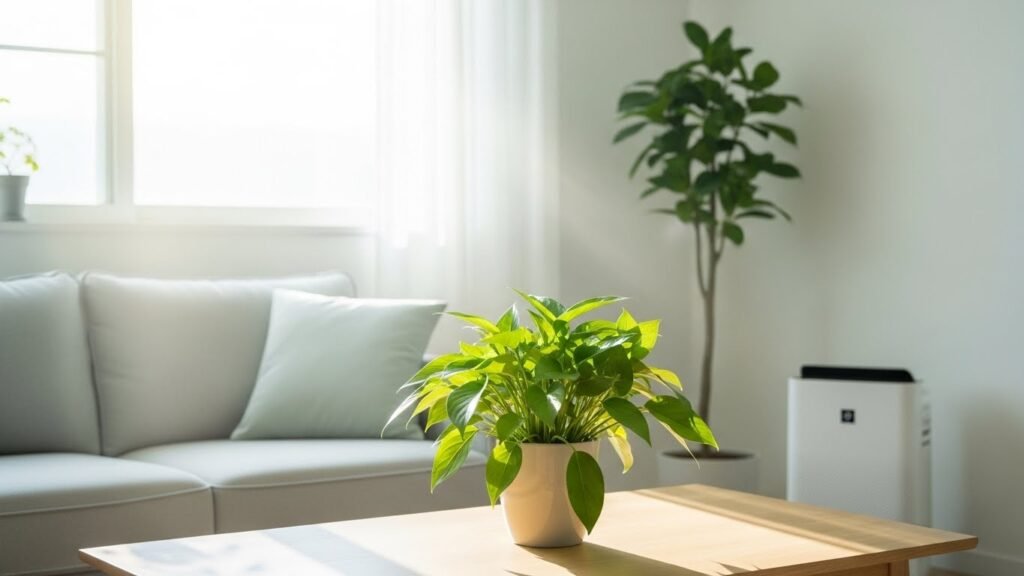
The Unseen Guest: Why Your Home’s Air Matters
Have you ever noticed that you feel a bit stuffy or get a nagging headache only when you’re sitting in your living room? Or maybe you’ve realized that no matter how much you dust, the air just feels “heavy.” We spend nearly 90% of our lives inside, yet we rarely stop to think about the quality of the air we’re breathing. When we talk about Air purifiers, Health at home, Indoor pollution, it isn’t just about high-tech gadgets; it’s about understanding the invisible environment that surrounds our families every single day.
For many quiz enthusiasts, an air quality assessment is a wake-up call. It’s one thing to hear a news report about smog outside, but it’s quite another to realize that the cleaning spray you use or the carpet in your hallway might be contributing to a drop in your wellness. Taking a quiz on PlayAIQuiz.com acts as a bridge between “I think something is wrong” and “Now I know what to fix.” It’s an interactive way to audit your space without needing a degree in environmental science.
The Quiz-Taking Mindset: Awareness Over Alarm
When people start a quiz about their home environment, they often feel a bit of trepidation. Nobody wants to be told their home isn’t “safe.” But the best way to approach these tools is with a mindset of curiosity rather than fear.
Turning Detection into a Daily Habit
Based on common experience, most people only look into air quality when they experience a visible problem, like mold or excessive pet dander. However, strategic quiz-takers use these assessments as a preventive tool. By answering questions about ventilation and household products, you start to develop a “filter” in your own mind. You begin to notice the scent of VOCs (volatile organic compounds) or the lack of airflow before they become a real nuisance.
The Value of Personalization
Every home is a unique ecosystem. A basement apartment in the city has different needs than a drafty farmhouse in the country. Interactive quizzes allow you to input your specific living conditions, which helps the results feel relevant to your actual life. This isn’t a one-size-fits-all lecture; it’s a personalized check-up for your living space.
Common Mistakes Quiz Attempters Make Regarding Home Health

In my years of observing how users interact with educational content, I’ve seen a few recurring patterns that can lead to a false sense of security or unnecessary stress.
Underestimating Cumulative Effects
Many people notice that they tend to dismiss small things—like a scented candle or a damp bath mat—as insignificant. During a quiz, they might skip over these details. However, Indoor pollution is often the result of many small factors adding up. If you aren’t honest about the “little things,” your results won’t accurately reflect your Health at home.
Relying on “Fresh” Smells
A common mistake is equating a “clean” smell with healthy air. If a quiz asks about your use of air fresheners, answering “yes” to keep things smelling nice might actually be a red flag for air quality. Rushing through the questions without reading the feedback can leave you unaware that those synthetic fragrances are often a source of pollutants themselves.
The Benefits of Quizzes for Learning and Awareness
Interactive challenges are far more effective than reading a dry manual because they require active participation.
Building Confidence Through Feedback
When you get a question right—perhaps you already knew that Air purifiers need their filters changed every six months—it reinforces your existing knowledge. This boost in confidence makes you more likely to take further action. It moves the topic of home wellness into the realm of lifestyle-finance and proactive planning rather than just a chore.
Identifying Hidden Symptoms
Sometimes, we don’t realize that a physical ailment is linked to our environment. By answering questions about sleep quality or skin irritation, you might find links to a health-deficiency you hadn’t considered. Quizzes help connect the dots between your home’s air and your body’s reactions, which is a key part of mental-health-psychology and overall well-being.
Long-Term Value of Quiz-Based Learning

The real magic of a quiz happens after you close the browser tab. It’s about the lasting shift in how you perceive your surroundings.
Creating a Safer Roadmap
A good quiz provides a “To-Do” list without being overwhelming. It might suggest opening a window while cooking or moving a printer to a well-ventilated area. These small, actionable steps are the foundation of long-term health. For those who want a deeper academic understanding of how pollutants move through a building, resources like Ainotes.pk offer structured notes that can help you master the science of ventilation and filtration.
Tracking Seasonal Changes
In general, air quality changes with the seasons. Pollen in the spring, woodsmoke in the winter, and humidity in the summer all affect your home. Re-visiting a quiz every few months allows you to adapt your home maintenance to the current climate, ensuring your family stays protected year-round.
Home Health Habits: Mistakes vs. Better Approaches
| Habit | Common Outcome | The Better Approach |
| Buying a purifier without research | Inefficient cleaning or wrong size for the room. | Match the CADR (Clean Air Delivery Rate) to your room size. |
| Keeping windows shut 24/7 | Build-up of CO2 and indoor toxins. | Use “cross-ventilation” for 10 minutes daily when outdoor air is clear. |
| Ignoring old vacuum filters | Spreading dust and allergens back into the air. | Use a vacuum with a HEPA filter and clean it regularly. |
| Overusing chemical cleaners | Spike in VOC levels and lung irritation. | Switch to simple, non-toxic cleaners like vinegar or baking soda. |
Practical Steps for a Cleaner Home Environment
If you’re ready to take the next step after your quiz, consider these simple, low-cost bullet points:
-
The Shoe Rule: Many people notice that tracking in dirt from outside is a major source of indoor toxins. Leave shoes at the door.
-
Plant Power: While not a replacement for high-end Air purifiers, certain indoor plants can help boost your mood and slightly improve air freshness.
-
Control Humidity: Keep indoor humidity between 30% and 50% to prevent mold growth and dust mite infestations.
-
Check the Vents: Ensure your dryer and kitchen fans are venting outside the home, not into an attic or crawlspace.
Toward a Healthier Living Space
Improving your air quality isn’t about achieving a laboratory-clean environment. It’s about making informed choices that reduce the total “toxic load” on your body. By engaging with quizzes and assessments on PlayAIQuiz.com, you are becoming an active steward of your home’s health.
Don’t feel discouraged if your initial results show room for improvement. Every small change—whether it’s swapping a cleaning product or investing in a better filter—is a win for your long-term vitality. Keep learning, stay curious, and remember that the air you breathe is the fuel for everything you do.
FAQs
1. Do Air purifiers really work for all types of pollution?
In general, a high-quality HEPA filter is excellent for capturing particles like dust, pollen, and pet dander. However, to tackle gases or odors (VOCs), you usually need a filter with activated carbon.
2. Can Indoor pollution be worse than outdoor air?
Based on common experience and various studies, indoor air can actually be 2 to 5 times more polluted than outdoor air because pollutants become trapped in enclosed spaces without proper ventilation.
3. How do I know if my Health at home is being affected by air quality?
Many people notice “sick building syndrome” symptoms, such as frequent sneezing, dry eyes, headaches, or feeling unusually tired while indoors. If these improve when you leave the house, your air quality may be the culprit.
4. Are “ionizing” purifiers safe to use?
Some ionizing cleaners produce small amounts of ozone, which can be a lung irritant. It is generally safer to stick with mechanical filtration, like HEPA, which physically traps particles without chemical changes.
5. How often should I take an air quality quiz?
It is helpful to check in whenever you change your environment—such as moving to a new home, getting a pet, or starting a renovation project—as these significantly impact your indoor ecosystem.