
Lost in the Scroll: Why We Can’t Seem to Sit Still Anymore
Have you ever sat down to read a single article, only to find yourself twenty minutes later watching a video of someone making a giant chocolate cake? It happens to the best of us. In this fast-paced digital world, our brains are constantly being pulled in a thousand different directions. Many people notice that their ability to stick with one task has dwindled. This is exactly why tools centered around Focus improvement, Concentration test, ADHD awareness have become so popular recently. We are all looking for a way to measure how much of “us” is left in our attention spans.
For those who frequently visit sites to test their wits, the struggle is real. You start a quiz with high energy, but by question ten, your eyes are darting toward the notification light on your phone. Understanding your brain isn’t just about labels; it’s about recognizing how the environment shapes our ability to think. Taking a moment to test your focus is like checking the oil in your car—it tells you if you’re running smooth or if you’re about to overheat from cognitive overload.
The Value of a Concentration Test in a Distracted World
We often guess how well we are doing, but we rarely measure it. A structured test serves as a baseline. It provides a mirror to our daily habits that we might otherwise ignore. When you engage with a concentration check, you aren’t just looking for a score; you’re looking for patterns in your own behavior.
Why We Get Distracted During Tests
In general, distraction isn’t a sign of a “broken” brain. Based on common experience, it’s often a sign of a brain that is seeking more stimulation than the current task provides. During a test, your mind might wander because it’s looking for that next hit of dopamine. Recognizing this during a session is the first step toward better mental discipline.
Decoding the ADHD Awareness Piece
Many people notice that the more they learn about Focus improvement, Concentration test, ADHD awareness, the more they realize that attention is a spectrum. ADHD awareness isn’t just for those with a medical diagnosis; it’s about understanding how executive function works for everyone. It helps us be kinder to ourselves when we realize that focus is a muscle that can be trained, rather than a fixed trait we are born with.
Common Mistakes Quiz Attempters Make When Testing Focus
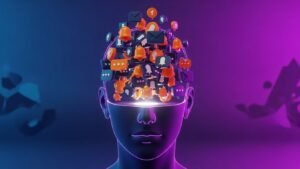
I’ve seen thousands of people approach digital quizzes, and there are a few recurring habits that actually hinder their learning. If you want to get the most out of an assessment, you have to look at how you are taking it, not just what the result says.
Multi-tasking While Testing
The most ironic mistake is trying to take a concentration test while having six other tabs open. You cannot accurately measure your focus if you aren’t giving the test your full attention. People often try to “speedrun” through questions to see the result, missing the educational nuance in the middle.
Treating Results as a Final Grade
Online tools are excellent for self-reflection, but they shouldn’t define your self-worth. If you score lower than expected on a focus check, it doesn’t mean you are failing; it means your environment might be too noisy or your brain is tired. Use the results to adjust your lifestyle-finance habits or your sleep schedule rather than feeling discouraged.
The Long-Term Value of Quiz-Based Learning

Interactive learning is significantly more powerful than passive reading. When you use a platform like PlayAIQuiz.com, you are engaging in “Active Recall.” This is where the brain has to work to pull information out of its storage, which makes the memory much stronger.
Building Knowledge Through Engagement
By clicking through questions and reading the “Why” behind the answers, you build a library of knowledge in your head. For instance, exploring the mental-health-psychology section can teach you about cognitive load and why your brain shuts down after a long meeting.
Confidence in Daily Decision Making
The more you know about how your brain works, the more confident you become in managing it. You stop wondering why you’re procrastinating and start realizing that you just need a five-minute break to reset your focus. This is the practical side of educational assessments—they give you the “user manual” for your own mind.
Using Resources for a Deeper Brain Dive
Sometimes a quick quiz sparks a deeper curiosity. You might find yourself wanting to know the technical side of how neurotransmitters work or how to structure a study session. For those who want to move from “fun facts” to “academic depth,” resources like Ainotes.pk provide the structured notes needed to really master a subject.
The Role of Health Awareness
Often, our inability to focus isn’t just mental; it’s physical. Exploring the health-deficiency category can reveal how a lack of certain nutrients or poor hydration can lead to “brain fog.” This holistic view—combining psychology with physical health—is how real Focus improvement, Concentration test, ADHD awareness is achieved.
Quiz Habits: Mistakes vs. Better Approaches
| Common Mistake | Impact on Your Focus | The Better Approach |
| Scanning, not reading | Misses critical context | Read every word aloud in your head. |
| Ignoring the feedback | No actual learning happens | Read the explanation for every “wrong” answer. |
| Testing while tired | Skewed, negative results | Take the test during your peak energy hours. |
| Taking it only once | No trackable progress | Re-test after implementing a new habit. |
Practical Habits for Daily Focus Improvement
Beyond taking tests, there are small shifts you can make in your daily life to help your brain stay on track. These aren’t overnight fixes, but over time, they make a massive difference.
-
The “One Tab” Rule: Try to work with only one browser tab open for 20 minutes at a time.
-
Digital Sunset: Reduce screen time an hour before bed to let your brain’s “arousal levels” drop naturally.
-
Active Observation: When you feel your mind wandering during a quiz, don’t get angry. Just notice it, and gently pull your attention back.
-
Educational Intervals: Use quizzes as “productive breaks.” They keep the brain engaged without the “numbing” effect of social media scrolling.
Finding Balance in the Information Age
The goal isn’t to have a perfect, unshakeable focus for twelve hours a day—that’s impossible for any human. The goal is to be intentional. By using interactive tools and staying curious about your cognitive patterns, you become the pilot of your own mind.
Whether you are browsing through PlayAIQuiz.com to challenge a friend or reading up on the latest psychological theories, you are doing something that 90% of the world doesn’t do: you are paying attention to your attention. That, in itself, is the greatest focus improvement there is.
FAQs
1. Can a concentration test tell me if I have ADHD?
In general, online tests are for awareness and educational purposes. They help identify patterns related to Focus improvement, Concentration test, ADHD awareness, but a formal diagnosis should always come from a healthcare professional.
2. Why does my focus feel worse in the evenings?
Many people notice “decision fatigue” toward the end of the day. Your brain has used up its daily supply of executive function, making it much harder to resist distractions or stay focused on a single task.
3. Does playing brain games actually improve focus?
Based on common experience, brain games can improve specific skills, but the best way to improve general focus is to practice sustained attention on real-world tasks and minimize digital distractions.1
4. How often should I re-take a focus-related quiz?
It is helpful to re-evaluate every few weeks, especially if you have changed your routine, such as improving your sleep or diet, to see if your subjective scores reflect those changes.
5. Can nutrition affect my concentration levels?
Absolutely. Deficiencies in certain vitamins or even simple dehydration can lead to brain fog.2 Checking the health-deficiency categories can provide more insight into this connection.