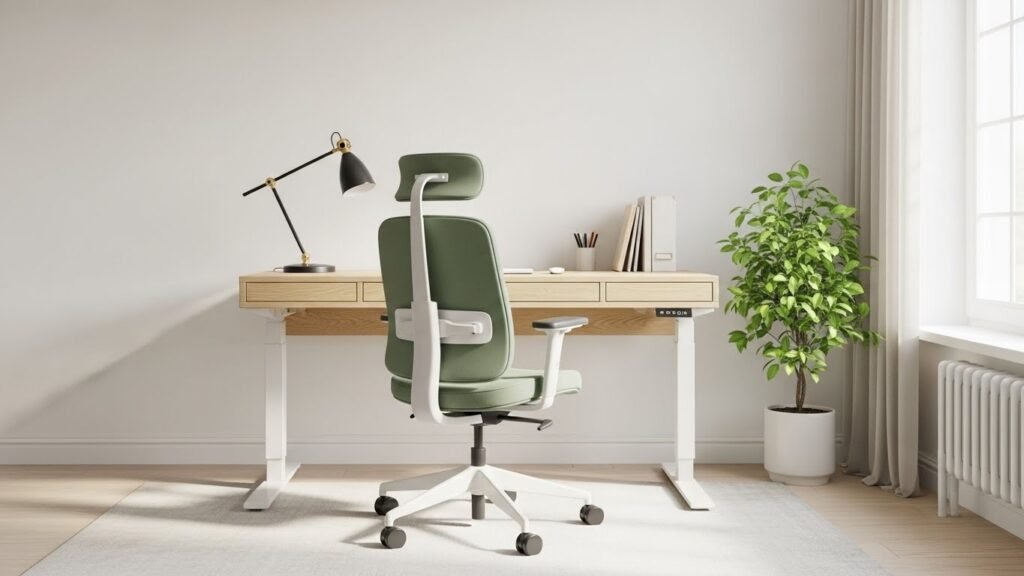
Most of us spend our workdays in a bit of a “C” shape—slumped over a laptop, chin tucked toward the chest, and shoulders creeping up toward our ears. It isn’t until the end of the day, when we try to stand up and feel that sharp twinge in the lower back, that we realize something is wrong. If you’ve been browsing PlayAIQuiz.com, you’ve probably seen health assessments that touch on ergonomics. Maybe you took one and realized your “Posture Score” was lower than you expected.
Understanding posture correction, the role of office furniture, and the fundamentals of back pain prevention is about more than just sitting up straight. It is a long-term commitment to how you interact with your workspace. For the dedicated quiz attempter, these topics offer a chance to turn data into a pain-free lifestyle. Whether you are focused on Lifestyle & Finance and want to avoid medical costs, or you’re exploring Mental Health & Psychology to see how physical pain affects your mood, the spine is the foundation of it all.
In general, we don’t think about our backs until they hurt. But by engaging with educational content and quizzes, we can move from being reactive to being proactive. Let’s look at how the quiz-taking mindset can actually help you stand taller.
The Quiz-Taker Mindset: Turning Awareness into Action
Why do we love taking quizzes about our health? It’s because we crave a baseline. We want to know where we stand so we can plot a path toward improvement. When it comes to your back, a quiz acts as a vital “body scan.”
Seeking Objective Feedback
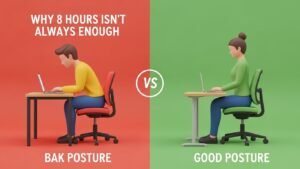
When you sit at a desk for eight hours, your brain eventually “normalizes” your slouch. You think you’re sitting straight, but your body has adapted to a poor position. A health assessment forces you to look at the facts: Are your feet flat? Is your monitor at eye level? This objective feedback is the first step toward posture correction.
The Motivation of the “Score”
There is a unique satisfaction in seeing your “Health IQ” rise. For people who frequent PlayAIQuiz.com, the goal isn’t just to finish the test—it’s to master the subject. If a quiz identifies a lack of movement in your day, it provides the psychological “nudge” needed to finally buy that standing desk or start a stretching routine.
Common Mistakes When Assessing Physical Health
Based on common experience, many people misinterpret their physical symptoms when taking an online check-in. Avoiding these mental traps can lead to much better results.
Over-Estimating “Ergonomic” Labels
Just because a chair is sold as “ergonomic” office furniture doesn’t mean it’s doing the work for you. Many people notice that they stop paying attention to their posture once they buy an expensive chair. A common mistake is thinking the furniture is a “cure” rather than a tool. Even in the best chair, you still need to actively engage in posture correction.
Ignoring the “Minor” Aches
When taking a quiz on Health & Deficiency, we often overlook the tiny signals. A stiff neck or a slight tingling in the wrist might seem minor, but in the world of back pain prevention, these are early warning signs. Quiz attempters who downplay these symptoms often miss the chance to fix the issue before it becomes chronic.
How Quizzes Build Physical Confidence and Knowledge
Taking a quiz is a form of “active recall.” Instead of just reading about ergonomics, you are answering questions that force you to apply the knowledge to your own life.
Visualizing Your Workspace
A good assessment helps you mentally map out your environment. As you answer questions about your desk height or lighting, you start to see your office through a new lens. You begin to notice the glare on the screen that makes you lean forward, or the way your chair doesn’t support your lumbar curve.
Building an Educational Foundation
Learning about the spine doesn’t have to be boring. Quizzes break down complex anatomy into digestible bits. By the time you’ve taken a few tests, you understand the importance of the “90-90-90” rule (knees, hips, and elbows all at 90 degrees). For those who like to keep their learning organized, tools like Ainotes.pk are perfect for storing these ergonomic tips and tracking your progress over time.
Comparing Workspace Habits: Mistakes vs. Better Approaches
To help you get the most out of your next health assessment, let’s look at the “Before and After” of a typical desk setup.
| Common Workspace Habit | Impact on Spine | The “Pro” Approach |
| Crossing legs at the knee | Tilts the pelvis; causes hip pain | Keep feet flat or use a footrest |
| Looking down at a laptop | “Tech Neck”; puts 60lbs of pressure on the neck | Use a laptop riser and external keyboard |
| Sitting for 4 hours straight | Compresses spinal discs; slows blood flow | The 30/30 rule: Move every 30 minutes |
| Using a chair without lumbar support | Flattens the natural curve of the lower back | Use a lumbar roll or dedicated office furniture |
| Working in a dark room | Causes eye strain and “leaning in” | Ensure bright, indirect “task lighting” |

The Long-Term Value of Posture-Based Learning
In general, the benefits of understanding posture correction extend far beyond the office. It changes how you move through the world.
-
Tracking Progress: Taking a posture quiz once a month allows you to see if your new stretches are actually making a difference.
-
Mood and Energy: There is a strong link between physical alignment and Mental Health & Psychology. Standing tall actually lowers cortisol and boosts confidence.
-
Cost Prevention: Effective back pain prevention today means fewer visits to the physical therapist in five years. It is a vital part of your Lifestyle & Finance strategy.
Developing a “Body-First” Philosophy
Eventually, the lessons from the quizzes become second nature. You’ll find yourself adjusting your car seat or choosing better shoes without even thinking about it. This is the ultimate goal of educational quiz content: to move information from the screen into your muscle memory.
Strategies for a Pain-Free Workspace
If your recent assessment suggests you’re at risk for discomfort, don’t panic. Improving your posture correction is a gradual process of habit stacking.
-
The Eye-Level Rule: Ensure the top third of your monitor is at eye level. This prevents the “slump” that leads to neck pain.
-
Movement Breaks: Your best posture is your next posture. Even the most perfect sitting position becomes harmful if held for too long.
-
Furniture Audit: Invest in office furniture that allows for adjustability. A chair that fits a 5’2″ person won’t fit someone who is 6’4″.
Summary of the Ergonomic Journey
Your back is your body’s support system. Treating it with respect by investing in quality office furniture and practicing daily posture correction is one of the best things you can do for your long-term health.
Next time you see a health quiz on PlayAIQuiz.com, take it with an open mind. Use those results not as a judgment, but as a roadmap. The more you know about your body, the easier it is to keep it running smoothly. Stand tall, move often, and keep learning—your spine will thank you for it.
FAQs for Health Quiz Attempters
1. Can a 2-minute quiz really help with my back pain?
A quiz is an awareness tool. It helps you identify the habits (like crossing your legs or slouching) that are contributing to your discomfort. While it’s not a medical cure, the awareness it provides is the first step toward back pain prevention.
2. What is the single most important piece of office furniture?
Most experts agree that a highly adjustable chair with proper lumbar support is the foundation. However, a monitor riser is a close second, as it prevents “Tech Neck.”
3. Is “standing all day” better than sitting?
Actually, no. Standing all day can lead to its own set of issues, like varicose veins and lower back strain. The “gold standard” is a mix of sitting, standing, and walking throughout the day.
4. How long does it take to see results from posture correction?
Many people notice a decrease in daily tension within just a week of making ergonomic changes. However, retraining your muscles to hold a new position can take 4 to 8 weeks of consistent practice.
5. Should I take a quiz if I don’t have back pain yet?
Yes! Back pain prevention is much easier than treating an existing injury. Taking a quiz now can help you spot “silent” bad habits before they cause pain.